
Mould & Asbestos Services in Winnipeg, MB
Testing and removal across Winnipeg, from the older river neighbourhoods to the postwar suburbs.
Winnipeg Mould & Asbestos Co works across Winnipeg, and the city’s building history shapes most of what we find. Housing here spans pre-war character homes, a large postwar suburban build-out, and newer development past the Perimeter, and each era brings its own materials and its own moisture behaviour.
What Winnipeg’s Housing Stock Means
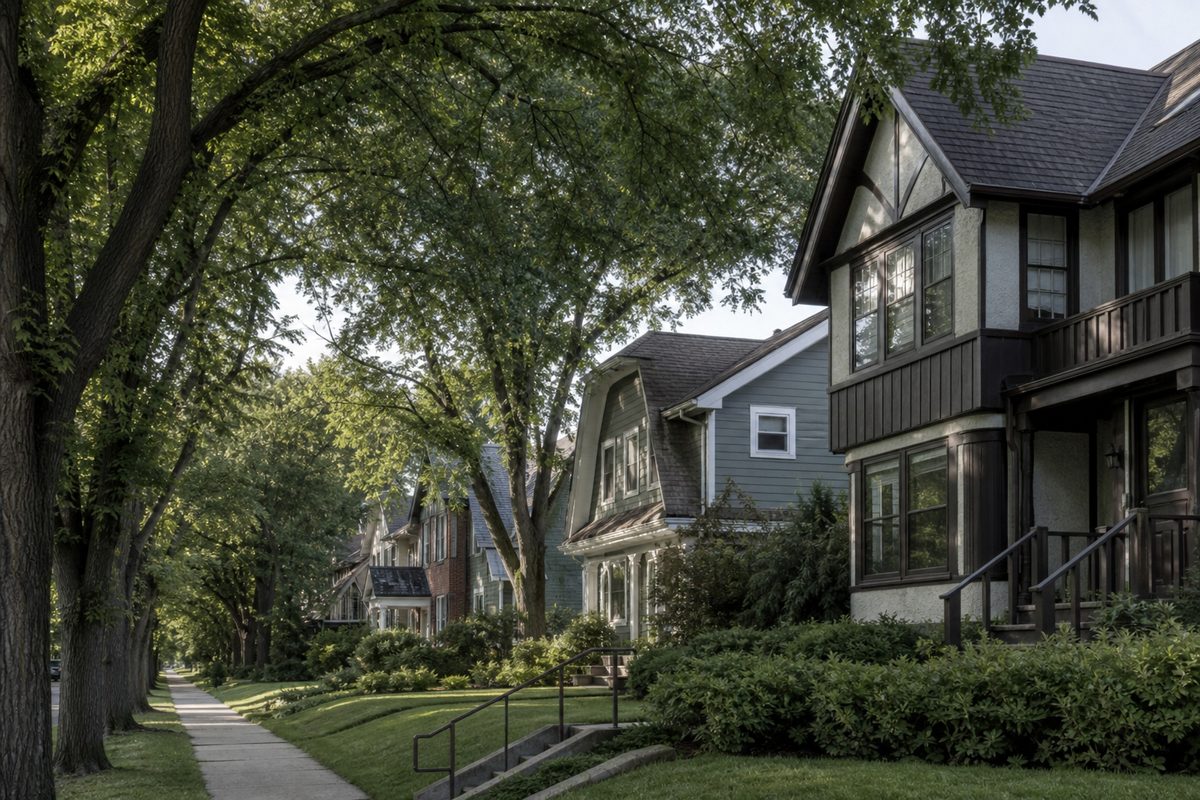
The city’s older neighbourhoods, the ones built out along the Assiniboine and Red rivers before the war, have the deep basements, plaster walls, and decades of renovation layers that make asbestos testing worthwhile before any demolition. Materials accumulate over a century of updates, and nobody has a record of what went in when.
The postwar suburbs bring a different profile. Homes built and insulated through the middle of the century are where vermiculite attic insulation shows up most often, along with vinyl floor tile and textured ceilings from later renovation waves.
Why This Climate Drives Moisture Problems
Winnipeg’s winters are long and genuinely cold, and that produces a specific pattern. Houses are sealed tight against the weather, humidity from daily living has nowhere to go, and every cold surface becomes a condensation point. Attic sheathing, window sills, and basement walls are the usual results, which is why attic mould is so common here.
Spring is the other half of the cycle. Snowmelt delivers a large volume of water into clay soil that does not drain quickly, and it presses against foundations. Basement mould follows, often behind finished walls where it goes unseen for a season or more.
River Proximity and Flooding
Homes near the Red and Assiniboine carry flood history that matters for what is in the walls. Areas that have taken water, whether from the rivers or from summer storms overwhelming older sewer infrastructure, often have water damage remediation needs that were never fully addressed the first time.
Surface drying after a flood is not the same as a dry structure, and material that stayed wet inside a wall cavity does not announce itself.
Getting a Quote
We give free written quotes across Winnipeg. Testing comes before removal so you are not paying to remove something that was never a problem.
Get in touch and tell us what you are seeing.
Neighbourhoods We Serve in Winnipeg
- River Heights
- St. Boniface
- Wolseley
- Transcona
- St. James
- Fort Garry
- East Kildonan
- Elmwood
Our Services in Winnipeg
- Asbestos Testing in Winnipeg
- Asbestos Removal in Winnipeg
- Vermiculite Insulation Removal in Winnipeg
- Pre-Renovation Asbestos Survey in Winnipeg
- Asbestos Air Testing in Winnipeg
- Textured Ceiling Removal in Winnipeg
- Mould Inspection in Winnipeg
- Mould Removal in Winnipeg
- Basement Mould Removal in Winnipeg
- Attic Mould Removal in Winnipeg
- Black Mould Removal in Winnipeg
- Water Damage Mould Remediation in Winnipeg
- Crawl Space Mould Removal in Winnipeg
- Commercial Mould & Asbestos in Winnipeg
- Mould Air Quality Testing in Winnipeg
- Mould & Asbestos for Home Sales in Winnipeg
Winnipeg Mould and Asbestos Questions
Do you serve all of Winnipeg?
Yes, across the city and out into the surrounding communities. Winnipeg is our primary service area and most of our work is inside the Perimeter.
Which Winnipeg homes are most likely to have asbestos?
Anything built or renovated before the 1990s is worth considering, which covers a large share of the city's housing. The older river neighbourhoods and the postwar suburbs both come up frequently, for different materials.
Why is basement mould so common here?
Winnipeg's clay soil holds water against foundations rather than draining it, spring melt puts a lot of water into the ground quickly, and basement walls stay cold enough for months that humid indoor air condenses on them.
Serving Winnipeg and Nearby
Mould and asbestos testing and removal across Winnipeg. Book a free quote and get a written scope before work starts.